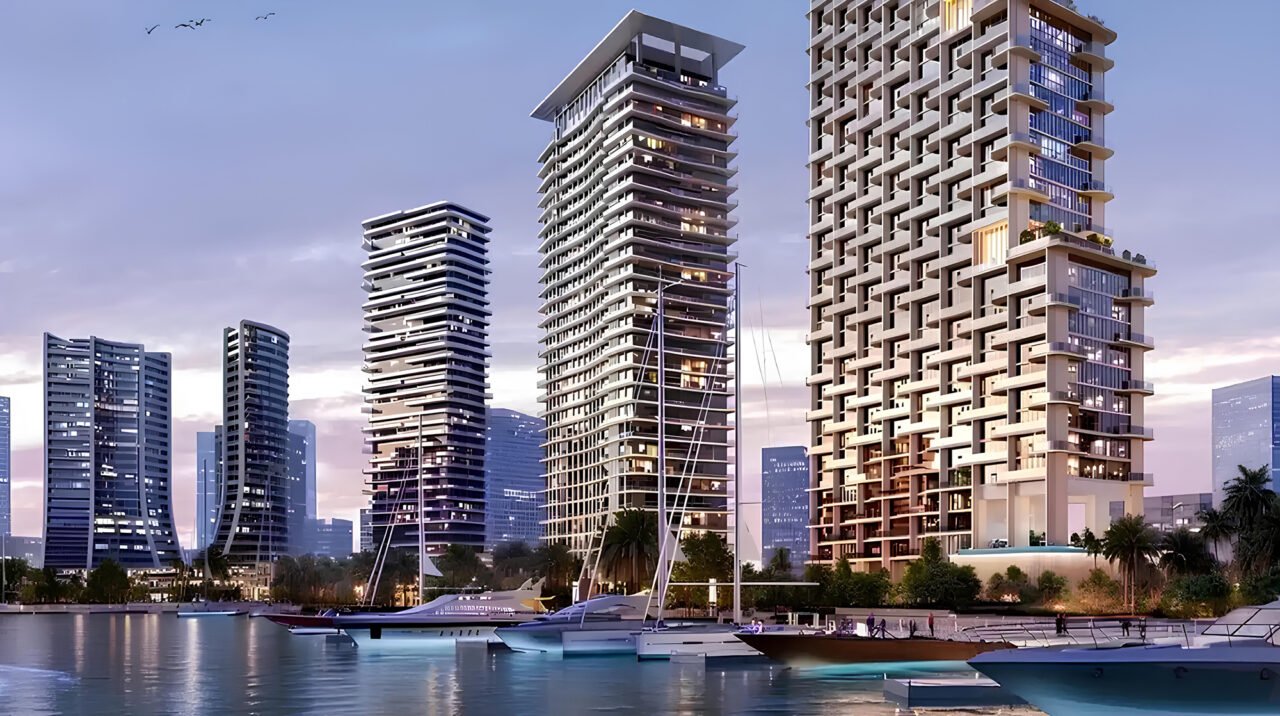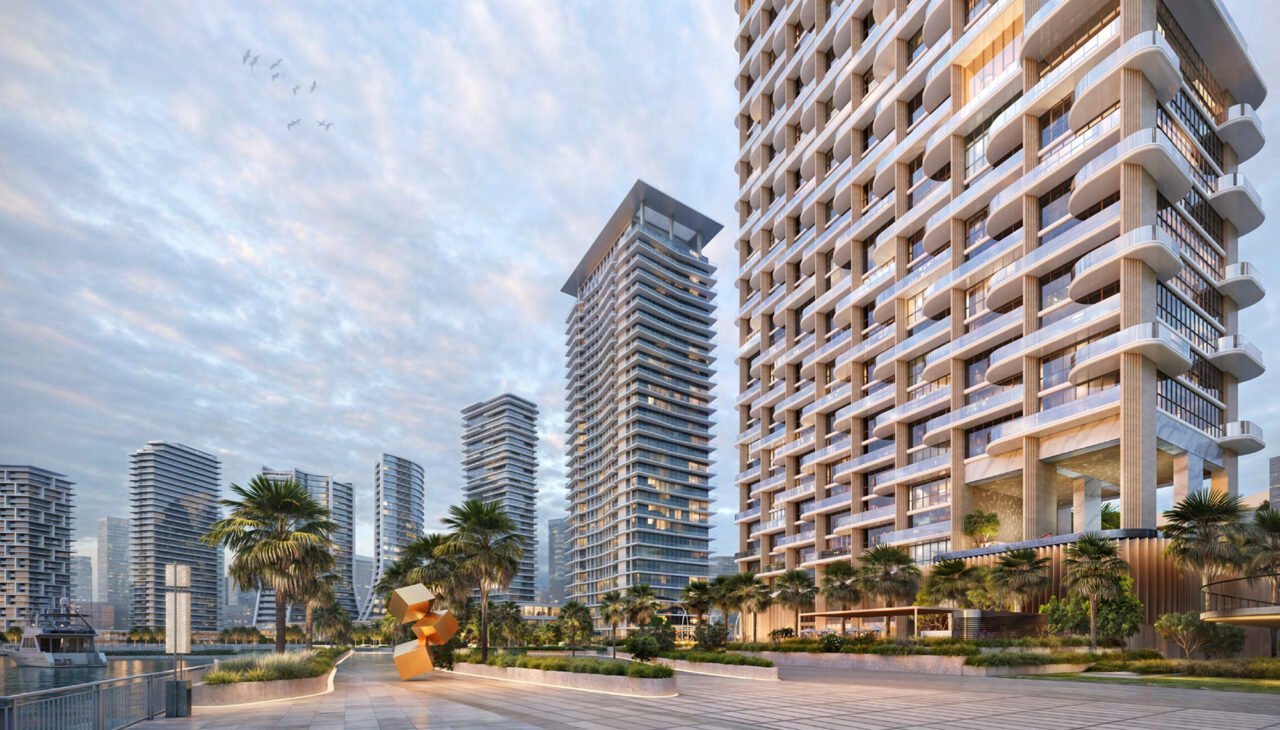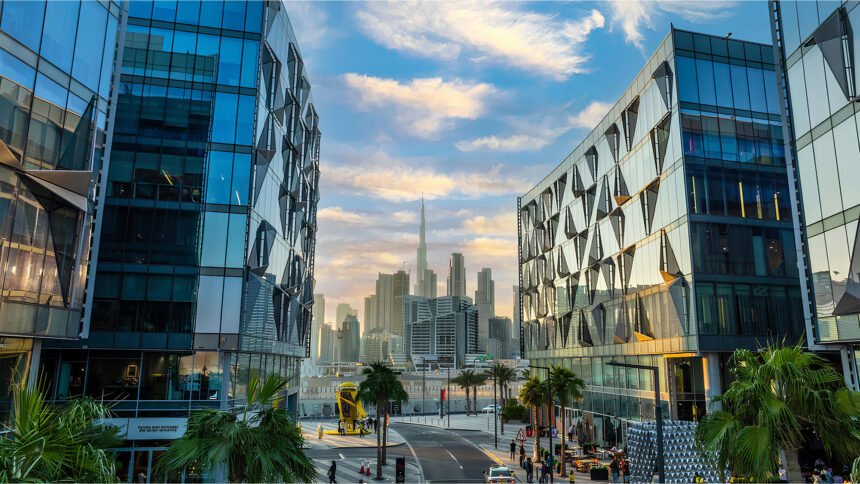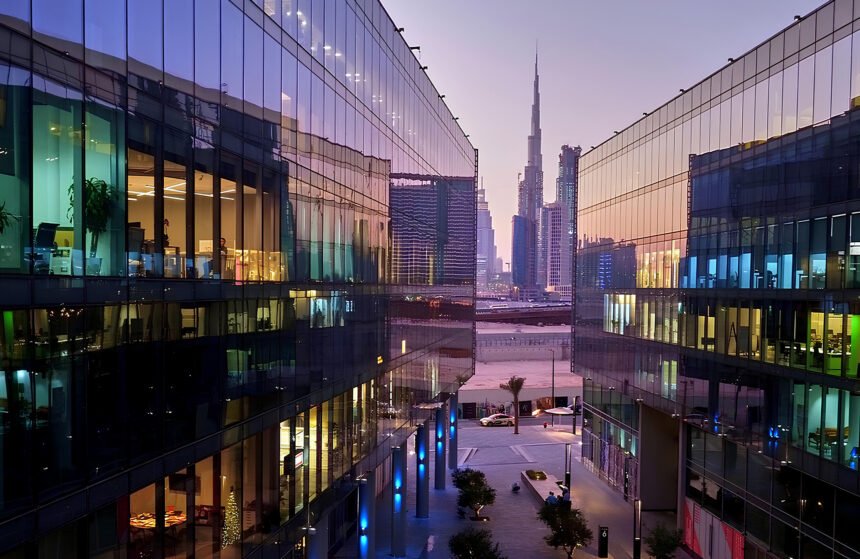


Dubai has become one of the world’s top destinations for real estate investment, attracting buyers from every corner of the globe. Dubai’s real estate market and the Dubai property market are especially attractive to global and overseas investors due to the absence of property tax, income tax, and capital gains tax. This favorable tax environment makes property investment in Dubai particularly appealing for those seeking high returns and minimal tax liabilities.
Among the city’s many vibrant communities, Dubai Design District (d3) stands out as a hub for creativity, innovation, and stylish urban living. d3 also represents a unique opportunity within Dubai’s property market for property investment, offering investors access to a dynamic and growing sector. If you’re a foreigner considering purchasing property here, the process might feel overwhelming at first. This guide will walk you through every step, from understanding the area to finalizing your purchase, so you can make a confident and well-informed decision.
Why Choose Dubai Design District?
Before diving into the process, it’s important to understand why investors and homebuyers are drawn to Dubai Design District real estate.
- Diverse property options: Dubai Design District offers a mix of residential and commercial properties, appealing to a wide range of investors and residents seeking both living and business opportunities.
- Creative hub: d3 is home to international fashion brands, art galleries, and creative studios. Living here means being at the center of Dubai’s cultural scene.
- Strategic location: Positioned close to Downtown Dubai, Business Bay, and Dubai International Airport, the district offers easy connectivity.
- Lifestyle appeal: Expect stylish cafes, art installations, waterfront views, and a cosmopolitan community.
- Investment potential: With limited residential projects and increasing demand, Dubai properties in d3, including luxury properties, offer strong long-term value growth.
Understanding Freehold Property
Freehold property in Dubai offers international buyers the highest level of property ownership available in the city. When you purchase a freehold property, you gain complete and unrestricted ownership of both the unit and the land it occupies. This means you have the freedom to sell, lease, or pass on your property as you wish, making it an attractive option for long-term investment and security.
Dubai has designated specific freehold areas where foreign nationals can buy property, including sought-after locations like Dubai Marina, Downtown Dubai, and Palm Jumeirah. These neighborhoods are known for their world-class infrastructure, luxurious lifestyle, and strong property values. The Dubai Land Department (DLD) oversees all transactions involving freehold properties in Dubai, ensuring transparency and legal protection for property owners.
When considering a purchase, it’s essential to work with a reputable real estate agent who understands the nuances of freehold property in Dubai. Your agent will help you identify properties in designated freehold areas, guide you through the legal requirements, and ensure your property is properly registered with the DLD. This not only safeguards your investment but also provides peace of mind regarding your property ownership rights in Dubai’s dynamic real estate market.
Step 1: Understand Foreign Ownership Rules
The first question most foreign buyers ask is: Can I legally own property in Dubai Design District? The answer is yes. Dubai allows foreigners to purchase property in designated freehold areas, and d3 is one of them. This means you can:
- Own the property outright, with full rights of sale, lease, or inheritance.
- Register your property under the Dubai Land Department (DLD).
- Enjoy ownership security backed by Dubai’s strong legal framework.
Dubai property ownership for foreigners is governed by specific laws that permit foreign property ownership in certain areas. These laws allow freehold property ownership, granting buyers full rights, as well as leasehold properties, which provide rights for a limited period. Understanding the distinction between freehold and leasehold properties is essential when considering foreign property ownership options in Dubai.
Step 2: Set Your Budget and Financing
Buying property in Dubai requires careful financial planning. It is essential to understand the purchase price and current property prices in Dubai Design District, as these factors play a key role in your overall budget and investment decision. Here’s what to consider:
- Down payment: Foreign buyers usually need a minimum of 25% of the property value as a down payment.
- Mortgage options: Many UAE banks offer mortgages to expatriates, though terms and eligibility may vary.
- Additional costs: Budget for 4% DLD transfer fee, agency commission (2%), mortgage registration fees (if applicable), and service charges for maintenance.
Example table of costs when buying a property worth AED 2,000,000:
| Expense | Approx. Percentage | Amount (AED) |
|---|---|---|
| Down payment | 25% | 500,000 |
| DLD transfer fee | 4% | 80,000 |
| Agency commission | 2% | 40,000 |
| Mortgage registration (if needed) | 0.25% | 5,000 |
| Annual service charges | Varies | 15,000+ |
Note: Dubai does not impose property taxes, making it a significant advantage for buyers and investors in the real estate market.
Step 3: Choose the Right Property
Dubai Design District is still developing its residential side, which makes it an exciting opportunity for early investors. Options typically include:
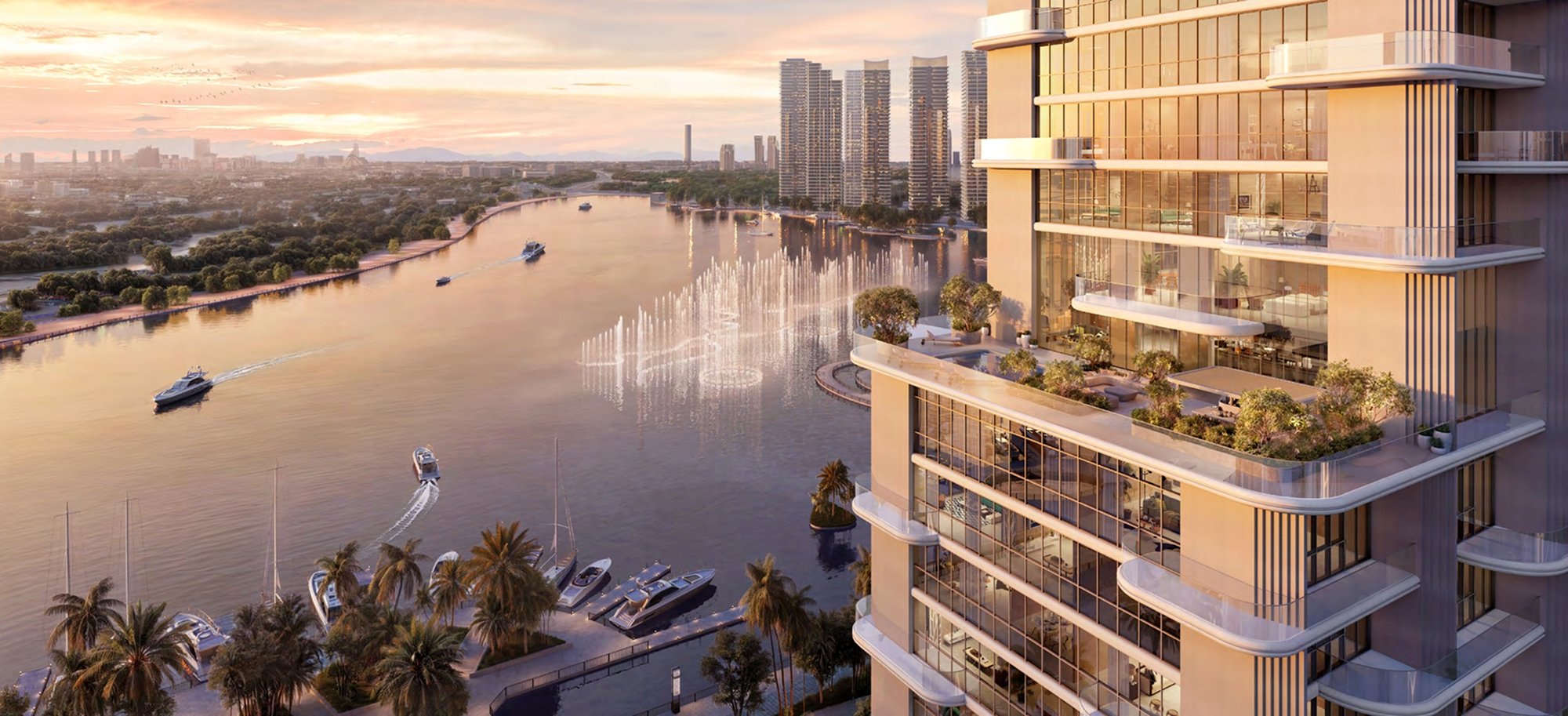
- Luxury apartments overlooking Dubai Creek and Downtown skyline.
- Creative lofts designed for professionals and entrepreneurs.
- Serviced residences that combine comfort with hotel-style amenities.
While Dubai Design District mainly features apartments and creative lofts, other areas in Dubai offer a wide range of residential properties, including spacious villas, catering to families and those seeking a premium lifestyle.
When selecting a property, think about:
- Your lifestyle (Do you prefer a creative studio, or a family-friendly apartment?)
- Long-term investment goals (Rental yields vs. resale value, and the appeal of investment properties in d3 and across Dubai, including residential property options)
- Proximity to your workplace, schools, and amenities.
Step 4: Work With a Reliable Real Estate Agent
Navigating Dubai’s property market as a foreigner is easier when you have professional guidance. A licensed agent can assist you with your property search, guide you through real estate transactions, and help you understand the Dubai real estate market. A licensed agent can help you:
- Find off-plan and ready-to-move-in properties.
- Negotiate the best price.
- Handle paperwork and coordinate with developers.
- Ensure legal compliance throughout the process.
Step 5: Make an Offer and Sign the Agreement
Once you’ve selected a property:
- Submit a written offer through your agent.
- If the seller accepts, both parties sign a Memorandum of Understanding (MOU).
- Pay a deposit (usually 10% of the property value).
The MOU outlines the terms of sale, payment timelines, and responsibilities of both buyer and seller. After signing the MOU, a sales agreement or sales and purchase agreement (also known as the purchase agreement) is prepared. This binding legal contract details all terms, payment conditions, and transfer procedures related to the property transaction.

Step 6: Secure Financing (If Needed)
If you’re applying for a mortgage, your bank will:
- Assess your eligibility and creditworthiness.
- Conduct a property valuation.
- Finalize loan approval before transfer.
Keep in mind that foreign buyers often face stricter requirements, so prepare documents like salary certificates, bank statements, valid passport, and passport copies in advance.
Step 7: Transfer Ownership at Dubai Land Department
The final step is registering your property with the DLD. This involves:
- Meeting at the DLD office (or an authorized trustee office).
- Obtaining a No Objection Certificate (NOC) from the developer to confirm there are no outstanding liabilities on the property.
- Paying the balance of the property price and all related fees.
- Receiving your Title Deed, which confirms legal ownership.
It is essential to ensure all title deeds are properly issued, as they serve as the official proof of ownership. Make sure to comply with all relevant Dubai property laws and documentation requirements during the transfer process.
Congratulations — you are now a property owner in Dubai Design District!
Transferring Utilities and Setting Up Local Services
Once you’ve completed your property purchase in Dubai, the next important step is to transfer utilities and set up essential local services in your name. This process ensures you have uninterrupted access to electricity, water, gas, internet, and television in your new home.
The Dubai Electricity and Water Authority (DEWA) is responsible for providing electricity and water services to properties in Dubai. To transfer these utilities, you’ll need to present your title deed as proof of ownership and a valid Emirates ID. For internet and television, leading providers such as du and Etisalat offer a range of packages to suit your needs. Setting up these services typically requires a local bank account for payments, which can be arranged with the assistance of your real estate agent.
A reputable real estate agent can be invaluable during this stage, helping foreign buyers navigate the paperwork and coordinate with service providers. By ensuring all utilities and services are properly transferred, you can settle into your new property in Dubai with ease and confidence.
Tips for Foreign Investors
Dubai’s property market continues to attract foreign investors seeking strong rental yields, capital appreciation, and a luxurious lifestyle. If you’re considering buying property in Dubai, it’s crucial to approach your investment with careful planning and local expertise.
Start by researching the current market trends, property values, and the performance of different neighborhoods. Areas like Dubai Marina, Downtown Dubai, and Business Bay are especially popular among international investors due to their high rental yields and potential for long-term growth. Working with a reputable real estate agent registered with the Real Estate Regulatory Agency (RERA) can provide you with up-to-date insights and access to exclusive listings.
Be sure to factor in all associated costs, including Dubai Land Department fees, agent commissions, and ongoing service charges. Understanding these expenses will help you set a realistic budget and avoid surprises during the buying process. Additionally, consider the property’s rental potential and prospects for capital appreciation, especially if you’re looking for a solid return on investment.
By staying informed, partnering with a knowledgeable agent, and focusing on high-demand areas, foreign investors can maximize their success when buying property in Dubai.
Common Mistakes to Avoid
Buying property in Dubai is a significant investment, and avoiding common pitfalls can save you time, money, and stress. One of the most frequent mistakes is failing to conduct thorough research on both the property and the local real estate market. This can result in overpaying or choosing a property that doesn’t align with your needs or investment goals.
Another key error is not working with a reputable real estate agent who is registered with RERA. An experienced agent will guide you through the buying process, help you navigate legal requirements, and protect your interests during the property purchase. Overlooking the full range of fees—such as Dubai Land Department charges, agent commissions, and service fees—can also disrupt your budget and lead to unexpected costs.
It’s essential to verify that the property is free from any outstanding liabilities or debts and to confirm that the seller has the legal right to sell the property. Skipping these checks can result in complications or even financial loss. By being diligent, seeking professional advice, and understanding the real estate market, you can ensure a smooth and successful property purchase in Dubai.
Advantages of Buying in Dubai Design District
To recap, here are the main benefits of investing in this vibrant neighborhood:
- Unique lifestyle with art, design, and fashion at your doorstep.
- Strong potential for rental yields due to demand from creative professionals and expats.
- Prime location near Downtown Dubai and Dubai Creek.
- Secure ownership laws for foreigners in freehold zones.
Owning property in Dubai Design District offers significant advantages for property buyers, overseas investors, and global investors. Dubai’s property market is renowned for its investor-friendly regulations, making it easy for foreign investment to thrive. Overseas investors benefit from transparent legal processes and high potential returns, while global investors are attracted by the stability and growth of Dubai’s property sector.
Buying property in Dubai Design District as a foreigner may seem complex, but once you break it down step by step, the process becomes clear and manageable. With the right preparation, a reliable agent, and awareness of the legal framework, you can secure an asset in one of Dubai’s most stylish and promising communities.
FAQ
Ask a Question
Can foreigners buy property in Dubai Design District?
What types of properties are available in Dubai Design District?
Dubai also offers a wide range of off plan properties and commercial properties, as well as residential and commercial properties in popular communities such as Dubai Hills Estate, Arabian Ranches, Jumeirah Village Circle, Dubai Sports City, and Dubai Production City. Notable landmarks like Dubai Mall are located near some of these areas, adding to their appeal for both investors and residents.
How much are property transfer fees in Dubai?
Is it better to buy off-plan or ready properties in d3?
Can I get a mortgage as a foreigner?
ms and eligibility vary. A higher down payment (25–30%) is usually required.
Why invest in Dubai Design District over other areas?
If you’re ready, contact Alcenza Real Estate for expert guidance in Dubai Design District
We will help you get an asset that is growing in value

Investing in Dubai Design District: Rental Yields and Market Trends in 2026
Dubai is no stranger to buzz in real estate circles—and the Dubai Design District (d3) has emerged as one of its most compelling niche precincts.
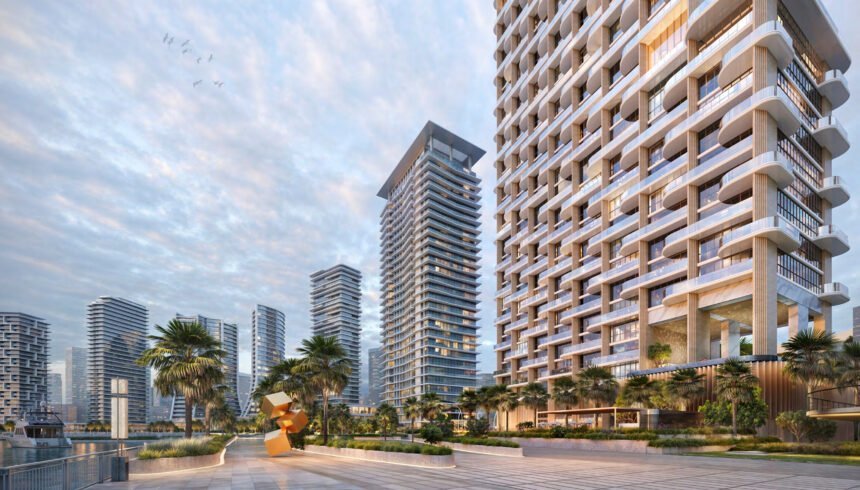
Upcoming Off-Plan Projects in Dubai Design District – What to Watch in 2026
Dubai Design District (D3) is fast becoming one of the city’s most dynamic hubs, blending art, fashion, technology, and luxury living.
Table of contents
- Why Choose Dubai Design District?
- Understanding Freehold Property
- Step 1: Understand Foreign Ownership Rules
- Step 2: Set Your Budget and Financing
- Step 3: Choose the Right Property
- Step 4: Work With a Reliable Real Estate Agent
- Step 5: Make an Offer and Sign the Agreement
- Step 6: Secure Financing (If Needed)
- Step 7: Transfer Ownership at Dubai Land Department
- Transferring Utilities and Setting Up Local Services
- Tips for Foreign Investors
- Common Mistakes to Avoid
- Advantages of Buying in Dubai Design District
- FAQ
Investing in Dubai Design District: Rental Yields and Market Trends in 2026
Dubai is no stranger to buzz in real estate circles—and the Dubai Design District (d3) has emerged as one of its most compelling niche precincts.
Upcoming Off-Plan Projects in Dubai Design District – What to Watch in 2026
Dubai Design District (D3) is fast becoming one of the city’s most dynamic hubs, blending art, fashion, technology, and luxury living.