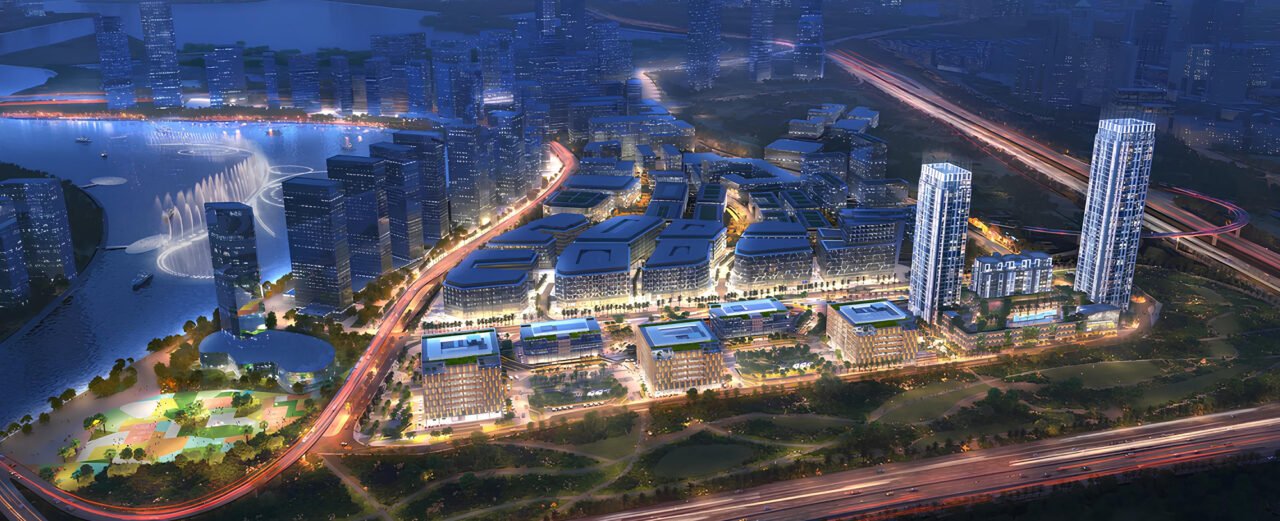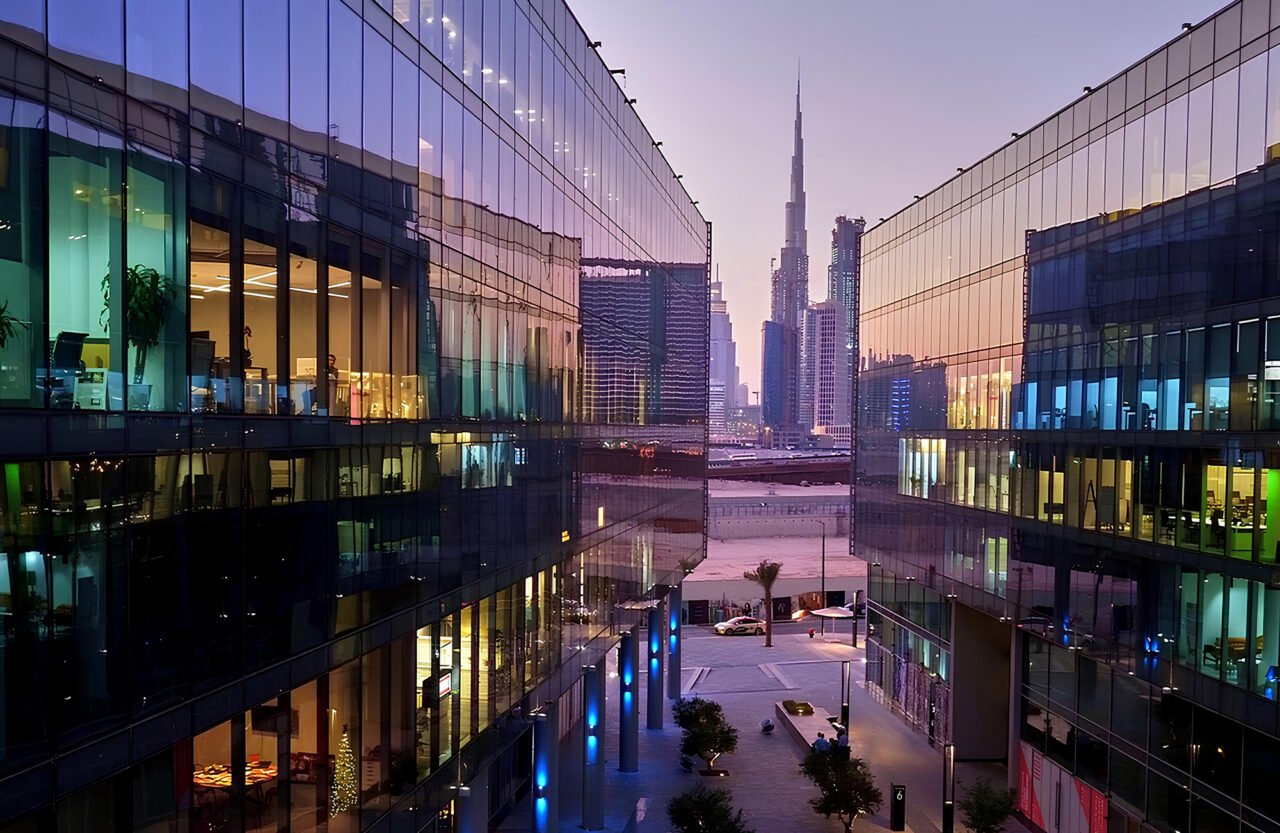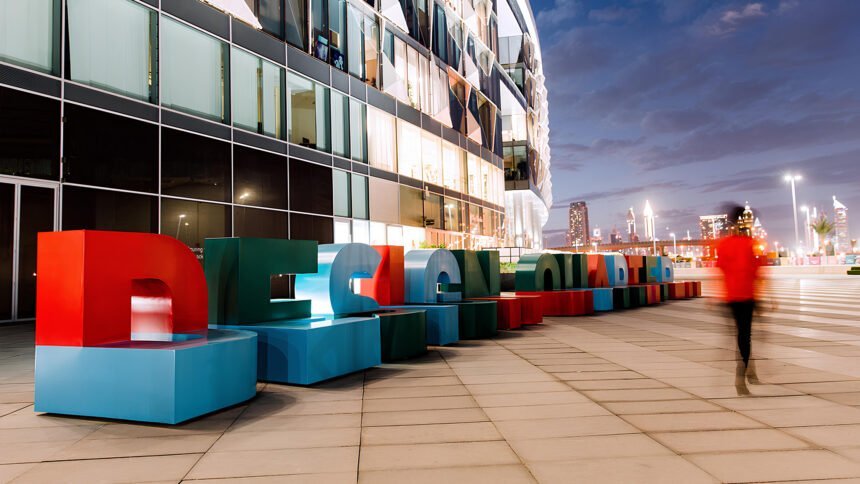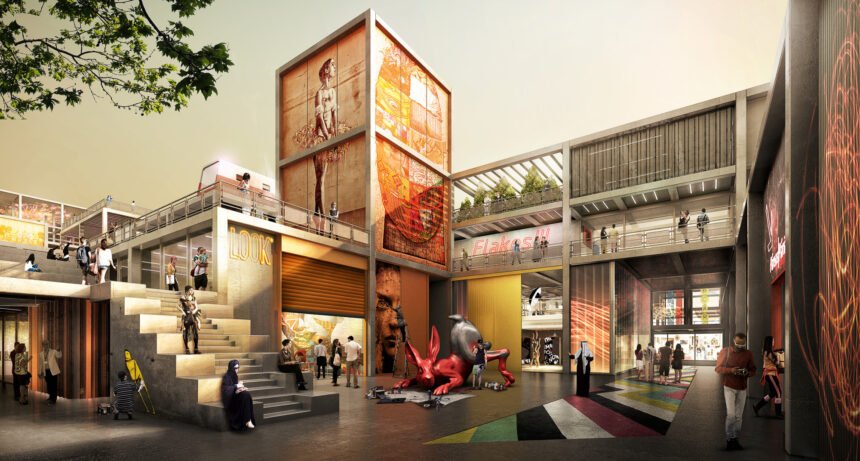

Dubai is no stranger to buzz in real estate circles—and the Dubai Design District (d3) has emerged as one of its most compelling niche precincts. For investors and expatriates alike, d3 combines creative energy, premium location, and modern infrastructure. This unique blend is attracting investors who are drawn to d3’s investment appeal and growth prospects.
But how does it stack up in 2025 from a returns and market-trend standpoint? Understanding the Dubai market is crucial when evaluating returns and market trends in 2025. Let’s dig in.
Introduction to Dubai
Dubai stands as a global hub, seamlessly blending tradition with cutting-edge modernity to create an environment that attracts tourists, international businesses, and investors from around the world. Thanks to its strategic location at the crossroads of Europe, Asia, and Africa, Dubai offers unparalleled access to global markets. The city’s world-class infrastructure, including state-of-the-art airports, efficient public transport, and iconic developments, underpins its reputation as a business-friendly environment.
For foreign investors, Dubai’s real estate market is a standout, offering high rental yields and robust investment potential. Prime neighborhoods such as Downtown Dubai, Dubai Marina, and Dubai Hills Estate are renowned for their luxury properties and strong rental demand. The city’s continuous growth, driven by ambitious development projects and a steady influx of international businesses, has led to a surge in demand for upscale residences. Investors seeking high returns are drawn to Dubai’s dynamic property market, where luxury living and consistent capital appreciation go hand in hand with a stable, business-friendly regulatory framework.
What Makes d3 Unique?
Before diving into numbers, it’s worth revisiting why Dubai Design District appeals:
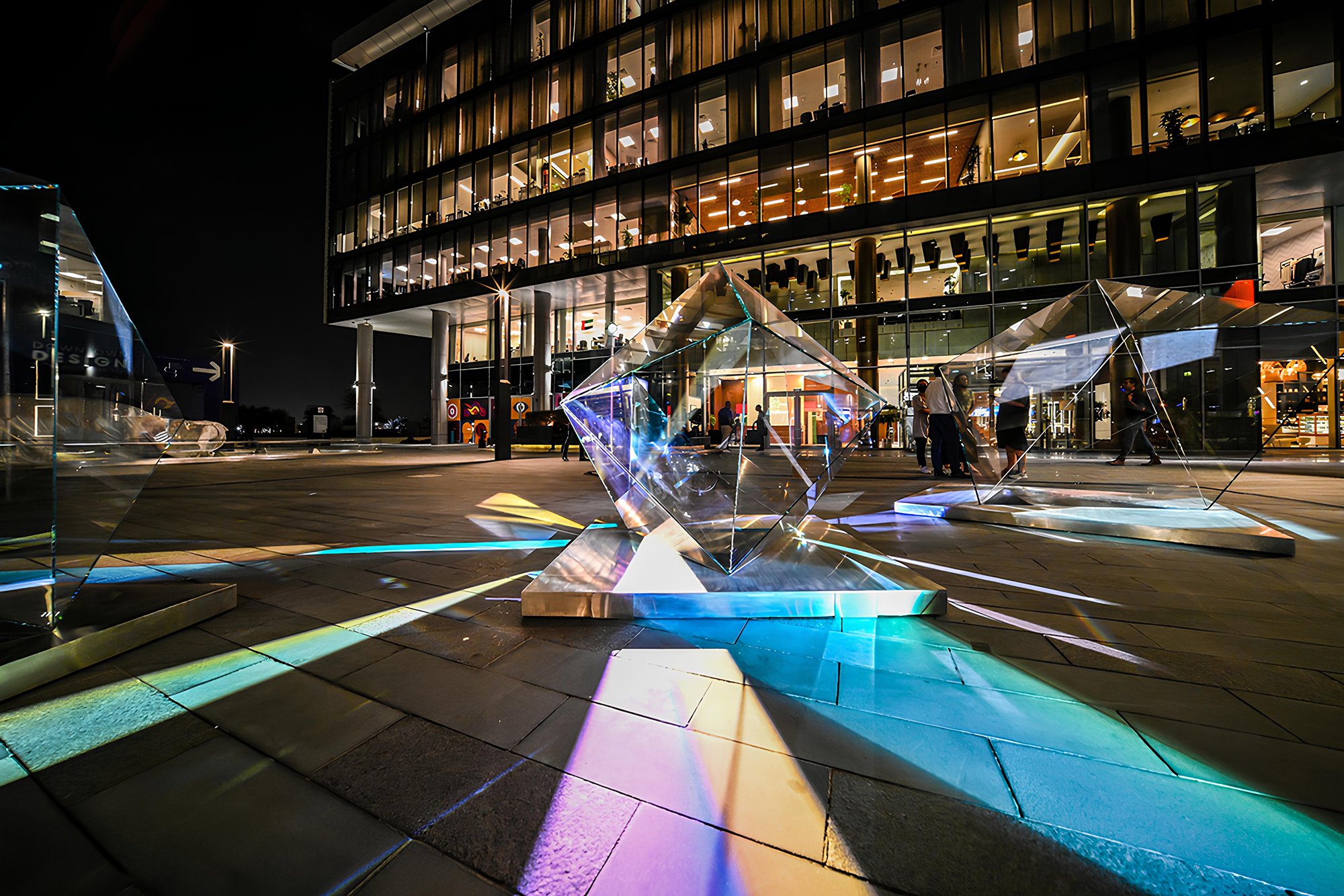
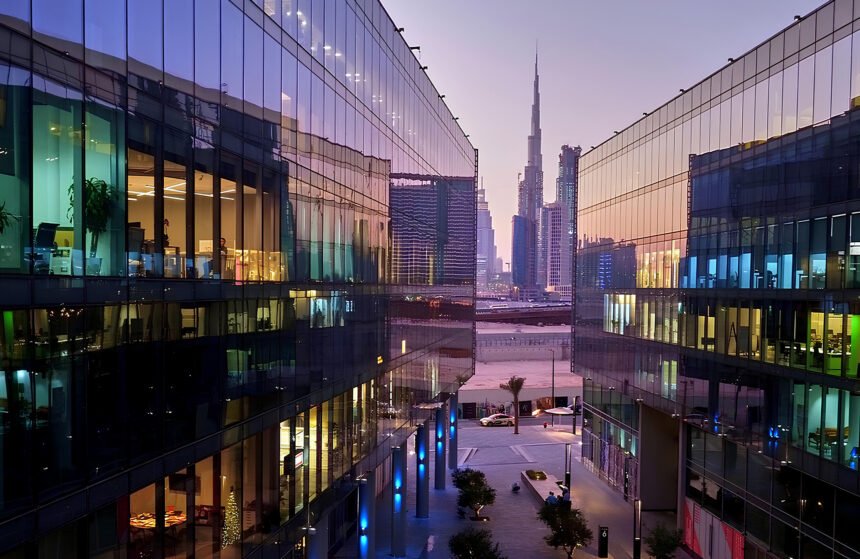
- Creative hub: d3 is purpose-built to host design, fashion, art, media, and creative businesses, with galleries, studios, fashion showrooms, and regular events (e.g. Dubai Design Week, Art Dubai), further enhancing its vibrant cultural scene.
- Location & connectivity: It sits adjacent to Business Bay, Downtown Dubai, and is well connected via major roads like Al Ain Road, Ras Al Khor Road, and Financial Centre Road.
- Freehold & flexible ownership: As part of the TECOM Free Zone framework, properties in d3 often grant freehold ownership to international buyers, providing full ownership rights and enhancing investment security.
- High standards & modern amenities: Developments like Design Quarter at d3 emphasize architectural character, upscale finishes, amenity-rich living, and contemporary design.
There is a growing demand for design-focused real estate in d3, driven by creative professionals and global investors seeking modern, high-quality spaces.
These qualities make it not just a place to live, but a lifestyle proposition—and that helps underpin both demand and value, further strengthening d3’s investment appeal.
Creative Industries and Global Hub
Dubai has rapidly evolved into a global hub for creative industries, with the Dubai Design District (d3) at the forefront of this transformation. As a purpose-built ecosystem, d3 nurtures creativity, innovation, and design, attracting both local and international businesses in fields such as fashion, art, media, and technology. The district’s unique mix of commercial, residential, and retail spaces creates a prime location for investors seeking high rental yields and strong investment potential.
The appeal of Dubai Design District extends beyond its creative energy. Its proximity to Business Bay and Dubai Marina, along with world-class amenities and a vibrant community, makes it a magnet for professionals and entrepreneurs who value luxury living and a dynamic work environment. As Dubai cements its status as a global hub for creative industries, demand for premium properties in d3 and similar districts continues to rise, offering investors the opportunity to tap into a market characterized by innovation, high rental yields, and global appeal.
Market Trends in Dubai, 2025 — A Broader Context
Dubai’s real estate market continues to demonstrate strong performance, with robust growth trends, increasing investor interest, and a reputation as a leading global investment destination. To understand how d3 might perform, we first need to see what’s happening citywide.
Citywide Market Trends
Dubai’s property prices and rents have been on an upward trajectory, with rising property values and high demand driving these trends across many neighborhoods. This surge is supported by recent infrastructure developments, such as new transportation links and waterfront projects, which have enhanced the appeal and accessibility of key areas. Market forecasts remain optimistic, with neighborhoods like JVC, Dubai Marina, International City, and Arjan showing significant growth potential for both appreciation and rental income. Compared to other global cities like London and New York, Dubai’s real estate market offers superior rental yields and greater stability, making it a standout choice for investors.
Investment Yields
Yields in Dubai remain among the highest globally, making Dubai property an attractive investment option for both local and international buyers.
Price & Rent Growth
- In 2024, Dubai saw a ~20% year-on-year increase in residential sales and ~19% rise in rental rates, according to Deloitte.
- Into 2025, analysts report continued strength: in Q1 2025, apartment rents rose by ~11%, villas by ~9%, while property prices overall increased by ~16%.
- Meanwhile, in Q2 2025, home values rose ~4.7% quarter-on-quarter; year-on-year price gains remain strong (over 20–24%) though the pace is moderating.
- Some caution is beginning to emerge: Fitch has warned of a potential price correction of up to 15% in H2 2025 and into 2026, due to rising supply.
This suggests that while upside remains, risks from oversupply and market saturation are creeping into forecasts.
Rental Yields (Gross)
- Across Dubai, gross rental yields average roughly 6.9% in 2025; apartments achieving ~7.3%, while villas sit at ~4.9%–5% on average.
- Some reports point to a citywide average of ~6.31% yield (gross) in 2025.
- Others show yields across Dubai generally ranging between 6% and 8%.
- Note: UAE-wide gross yield is somewhat lower (~4.87% in Q2 2025) given suburban and lower-tier markets.
Ultimately, yields in top districts and premium product still tend to beat the average.
Business Bay and Other Areas
Business Bay stands out as one of Dubai’s premier commercial hubs, offering a diverse range of investment opportunities from high-end commercial properties to luxury apartments. Its strategic location, adjacent to Downtown Dubai and close to Dubai Marina, makes it especially attractive to young professionals and businesses seeking a central address with excellent connectivity. The area’s modern skyline and vibrant business environment contribute to its strong investment potential and high rental yields.
Beyond Business Bay, other Dubai neighborhoods such as Jumeirah Village Circle (JVC) and Dubai Creek Harbour are gaining traction among investors. JVC, with its mix of affordable and mid-range residential properties, appeals to families and professionals, while Dubai Creek Harbour is emerging as a sought-after destination for luxury apartments and commercial spaces. The Dubai real estate market is marked by consistent demand and steady growth, with areas like International City and Dubai South offering affordable entry points and strong prospects for capital appreciation. Whether targeting high-end or more accessible segments, investors benefit from Dubai’s reputation for profitable investments, a resilient property market, and a business-friendly environment that supports both local and international growth.
Rental Yield Potential in d3
Dubai Design District (d3) stands out as a prime location for real estate investment, attracting global investors and investors worldwide seeking high returns, capital appreciation, and access to Dubai’s creative hub.
What can investors reasonably expect if they pick d3 as their target? Based on current listings, market sentiment, and comp data, here’s a view:
- Some sources suggest that 1-bedroom apartments in d3 can yield as high as 7% per annum, reflecting the strong rental yields available in the district.
- Studio apartments in d3 are also an attractive investment option, offering affordability and high rental yields that appeal to both local and international investors.
- Recent transactions in Design Quarter give a sense of pricing power:
| Unit Type | Approx. Sale Price (mid-2025) | Notes |
|---|---|---|
| 1-bedroom | ~ AED 2,138,000 | 805 sq ft sale in Design Quarter |
| 2-bedroom | ~ AED 3,390,000 | 1,258 sq ft example |
| 3-bedroom | ~ AED 7,800,000 | Larger units traded within d3 |
- Given those capital values, to reach a 6–7% yield, one would need annual rent of (for 1-bed) ~ AED 128,000–150,000, which is aggressive but not impossible in premium markets.
- d3’s appeal to creative professionals, executives, and expatriates supports willingness to pay for superior design, convenience, and brand prestige.
- Because the product is niche, there is less competition from mass-market supply in d3, which helps maintain rent premiums.
- Off plan projects and off plan sales play a significant role in d3’s investment landscape, offering investors flexible entry points and the potential for pre-completion profits.
However, yields will likely vary by floor, view, furnishing, lease contract, and developer reputation.
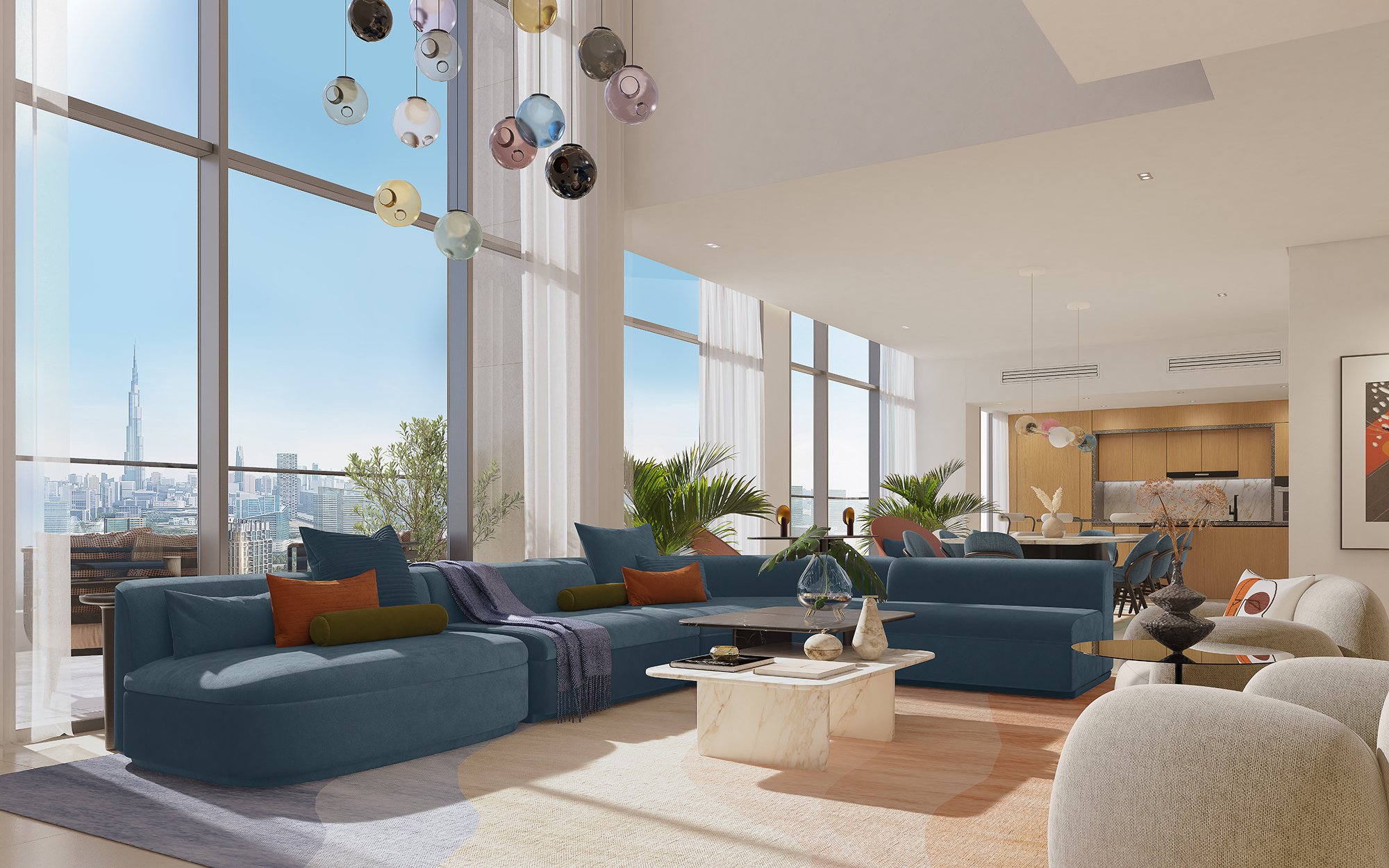
Luxury Living in Dubai
Dubai is synonymous with luxury living, offering some of the world’s most prestigious addresses in areas like Palm Jumeirah, Dubai Hills Estate, and Dubai Marina. These neighborhoods are home to luxury properties that set new standards for comfort and exclusivity, featuring amenities such as private beaches, championship golf courses, and branded residences managed by renowned hospitality brands. The city’s luxury apartments and villas are designed to cater to high net worth individuals and international investors seeking not only a lavish lifestyle but also high returns on investment.
Dubai’s appeal as a global hub for luxury living is further enhanced by its world-class infrastructure, tax benefits—including no annual property tax and no capital gains tax—and a business-friendly environment that welcomes investors from around the globe. With continuous development and a focus on world-class amenities, Dubai remains a top choice for those seeking high-yield investments and a sophisticated lifestyle. Whether it’s the panoramic views of Dubai Marina, the exclusivity of Palm Jumeirah, or the green expanses of Dubai Hills Estate, the city offers unparalleled opportunities for investors seeking both luxury and profitability.
Capital Appreciation & Long-Term Outlook
Beyond rental income, appreciation is a critical piece of the investment story.
- Between 2021 and 2025, average property prices in Dubai rose ~75%.
- In 2025, many forecasts anticipate 5–10% further price growth across Dubai, fueled by investor interest and limited deliverable supply in prime zones.
- That said, the looming pressure from tens of thousands of new units entering the market in 2025–2026 may create softening conditions—especially in oversaturated submarkets.
- Prime and well-located assets tend to weather corrections better, and d3’s positioning may insulate it relatively.
In short: d3 stands to benefit from both rent upside and capital gains, though downside risk (due to supply) cannot be ignored. It is important for investors to align their property choices in d3 with their specific investment goals, whether seeking capital appreciation, rental income, or a combination of both.
Risks & Mitigations
Any investment has risk. Here are what to watch in d3:
- Oversupply in Dubai
Large new launches across the city may suppress downside, especially in mid-tier segments.
Mitigation: Focus on prime, differentiated product and avoid crowded segments. - Vacancy periods & tenant turnover
High-end tenants may expect more flexibility—which may lead to shorter leases and vacancy gaps.
Mitigation: Offer attractive amenities, flexible leasing, maintain high quality to attract stable tenants. - Rental regulation / contract resets
Renewals often get adjusted less aggressively than new contracts, which can limit yield compounding.
Mitigation: Prioritize projections based on new contract rates, not just renewal rents. - Liquidity & resale dynamics
In a market correction, reselling highly niche or very large units can take longer.
Mitigation: Emphasize units with broad appeal (1–2 beds) or good resale potential, not only ultra-unique designs. - Macro risks
Global interest rates, regulation changes, or economic shocks may impact foreign investment flows.
Mitigation: Stay diversified, use conservative leverage, and monitor regulatory shifts.
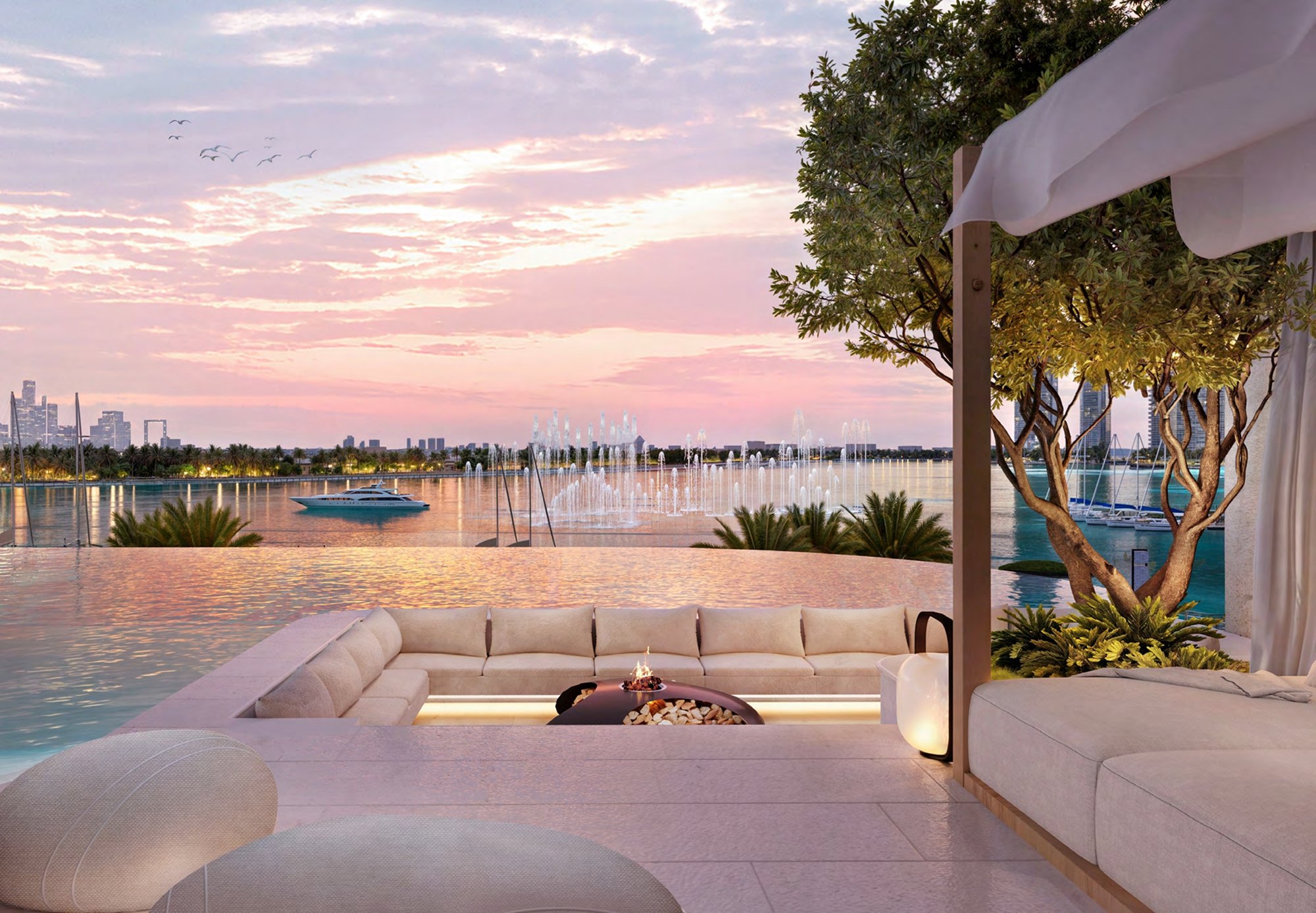
Recommendations for d3 Investors in 2025
- Target 1–2 bedroom units: These tend to attract broad demand and better yields compared to larger, high-end apartments.
- Invest in d3 as a commercial hub for creative industries: d3’s status as a commercial hub makes it an attractive location for businesses and investors focused on design, art, and innovation.
- Prioritize developers with track record: e.g. Meraas (Design Quarter) – to reduce project-delivery and quality risk.
- Furnish or partially furnish: Premium rental yield often comes with turnkey furnishings and design appeal.
- Leverage flexible payment plans: Off-plan developments may allow staggered payments.
- Monitor pricing trends and supply pipeline: Be ready to act when supply pressures ease or when you spot value dips.
Summary & Market Snapshot
| Metric / Aspect | Estimate / Observation (2025) |
|---|---|
| Dubai average gross rental yield | ~6.9% (apts) / ~4.9% (villas) |
| d3 suggested 1-bed yields | Up to ~7% (gross) |
| Recent sale prices (Design Quarter) | 1-bed ~ AED 2.14M, 2-bed ~ AED 3.39M, 3-bed ~ AED 7.8M |
| Forecast capital growth (Dubai) | 5–10% further growth possible, tempered by supply risk |
| Key cautions | Oversupply, vacancy, renewal constraints, liquidity |
Dubai Mall, one of the world’s premier retail and leisure destinations, is located nearby and significantly enhances the appeal of properties in d3 by offering residents easy access to world-class amenities and vibrant lifestyle options.
Dubai Design District offers a compelling intersection of design-driven appeal, prime location, and premium rental potential. In 2025, with strong citywide momentum, d3 offers room for both rental income and capital appreciation—especially for discerning investors who pick thoughtfully.
That said, the skies are not uniformly clear: supply dynamics and macro volatility demand prudence. The sweet spot lies in well-designed, moderately sized units by reputable developers, with flexible leasing models and strong amenities.
FAQ
Ask a Question
What is the typical gross rental yield range in Dubai in 2025?
Can 1-bedroom units in d3 realistically reach ~7% yield?
How strong is capital appreciation potential for d3?
What are the key risks?
Should I focus on off-plan or ready properties in d3?
How can I improve the rent-earning potential of my unit?
Are you looking for a profitable investment option?
We will help you get an asset that is growing in value

Step-by-Step Guide to Buying Property in Dubai Design District as a Foreigner
Among the city’s many vibrant communities, Dubai Design District (d3) stands out as a hub for creativity, innovation, and stylish urban living.
Apartments vs. Lofts in Dubai Design District – Which Is Better for Investment?
The Dubai Design District (often called d3) has evolved into one of the city’s most innovative and creative neighborhoods.
Table of contents
- Introduction to Dubai
- What Makes d3 Unique?
- Creative Industries and Global Hub
- Market Trends in Dubai, 2025 — A Broader Context
- Business Bay and Other Areas
- Rental Yield Potential in d3
- Luxury Living in Dubai
- Capital Appreciation & Long-Term Outlook
- Risks & Mitigations
- Recommendations for d3 Investors in 2025
- Summary & Market Snapshot
- FAQ
Step-by-Step Guide to Buying Property in Dubai Design District as a Foreigner
Among the city’s many vibrant communities, Dubai Design District (d3) stands out as a hub for creativity, innovation, and stylish urban living.
Apartments vs. Lofts in Dubai Design District – Which Is Better for Investment?
The Dubai Design District (often called d3) has evolved into one of the city’s most innovative and creative neighborhoods.